Understanding exactly what does and doesn't fail you takes a lot of the mystery, and some of the anxiety, out of the driving test. Faults fall into three categories, and knowing the difference between them changes how you should think about a wobble during your test, some things are genuinely fine, others aren't.
The Three Fault Categories
Every fault your examiner records falls into one of three types:
- A dangerous fault means real danger to you, the examiner, another road user, or property. Any dangerous fault fails the test.
- A serious fault means something that could have been dangerous, even if it wasn't this time. Any serious fault also fails the test.
- A driving fault, often called a minor, is something that isn't potentially dangerous on its own. One or two here and there don't fail you, but repeating the same driving fault throughout the test can tip it into a serious one.
The Pass Mark
To pass, you need both of these to be true:
- No serious or dangerous faults at all, not even one
- 15 or fewer driving faults in total
That second point catches people out more than they expect. It's entirely possible to drive a test with no dangerous moments and nothing that felt like a big mistake, and still fail purely by accumulating too many small ones. Sixteen minors is a fail, even with a completely clean sheet otherwise.
How Common Is Failing?
As of July 2026, 48 out of every 100 driving tests in Great Britain were failed. That's worth sitting with for a moment: failing isn't rare, and it isn't a sign you're a bad driver, it's closer to the norm than the exception on any given attempt.
The Official Top 10 Reasons People Fail
DVSA publishes the top 10 reasons people fail their test, and it's worth reading with your instructor rather than just on your own. In order:
- Not making effective observations at junctions
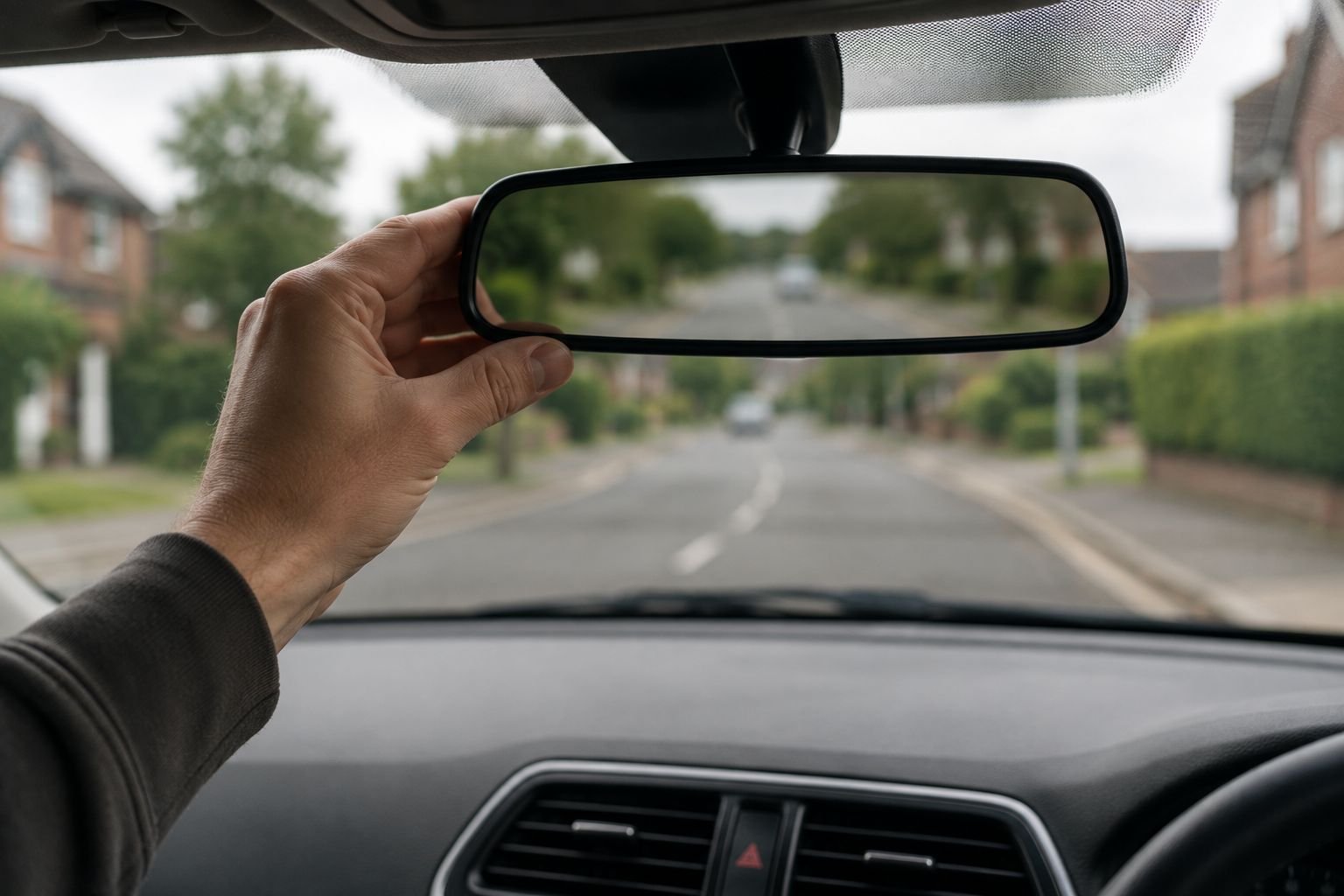
- Not using mirrors correctly when changing direction
- Not moving off safely
- Incorrect positioning when turning right at junctions
- Not having proper control of the steering
- Not responding appropriately to traffic lights
- Not responding correctly to traffic signs
- Poor positioning on the road during normal driving
- Not responding correctly to road markings
- Not keeping control of the vehicle during reverse parking
See the DVSA's own guidance on test marking and faults for the full official breakdown.
What This Looks Like From the Instructor's Seat
In practice, a handful of these ten tend to cluster together. Junction observation and mirror use often go wrong for the same underlying reason, nerves narrowing focus to just the road ahead, so the habit of checking mirrors and looking properly before moving becomes the first thing to slip under pressure, not a separate problem. Reverse parking faults are usually less about the manoeuvre itself and more about losing the reference points once a learner stops trusting what they were taught to look for. None of these are really about skill running out, they're about a good habit not yet being automatic enough to survive nerves.
How to Use This List With Your Instructor
Treat this less as a list to fear and more as a checklist. Ask your instructor to flag it directly if you're repeatedly making one of these during lessons, since a fault that shows up once isn't the concern, a fault that shows up on every drive is. The goal in the run-up to your test isn't a perfect drive, it's making sure none of these ten have become a habit. Getting there is partly about mileage, so it's worth reading our guide to how many lessons you're likely to need if you haven't already, and if you're still early on, our guide to getting started as a beginner driver covers the basics worth having in place first.
Frequently Asked Questions
What's the difference between a serious and a dangerous fault?
A dangerous fault means actual danger occurred. A serious fault means something had the potential to be dangerous, even if nothing actually went wrong. Both fail the test.
How many minor faults can I get and still pass?
Up to 15. Sixteen or more driving faults fails the test, even with no serious or dangerous faults at all.
Does one dangerous fault always mean I fail?
Yes. A single dangerous fault fails the test regardless of how well the rest of the drive went.
What if I make the same minor fault several times?
It can be upgraded to a serious fault if it's repeated enough to show a genuine pattern rather than a one-off.
Is failing my driving test common?
Yes. As of July 2026, roughly 48 out of every 100 tests in Great Britain are failed. It's a normal part of learning to drive for a large proportion of learners, not a sign of a lack of ability.
Related Guides
Please note: This is general driving guidance, not a substitute for in-car instruction. The real situation in front of you, and what your instructor tells you, always takes priority over anything written on this page.
Keep Building Your Driving Knowledge
Whether you've decided on manual or automatic, explore our free guides to build your knowledge before your first lesson.
View All Driving Guides